
Lower heating and cooling costs
Bulk insulation reduces the flow of heat through ceilings, walls and floors, so your heater and air conditioner run less often. In Clifton Hill’s climate, this can mean noticeable savings on energy bills.
Clifton Hill
Expert Insulation Melbourne installs bulk insulation in Clifton Hill to cut winter heat loss and summer heat gain through ceilings, walls and floors.
Share your details and Expert Insulation Melbourne will contact you about Bulk Insulation in Clifton Hill.
Bulk insulation uses materials like glasswool, polyester or rockwool batts to trap still air and slow heat transfer. In Clifton Hill’s older weatherboard and brick homes, it is fitted between ceiling joists, inside wall cavities during renovations, or under suspended timber floors to improve thermal resistance and reduce energy costs.
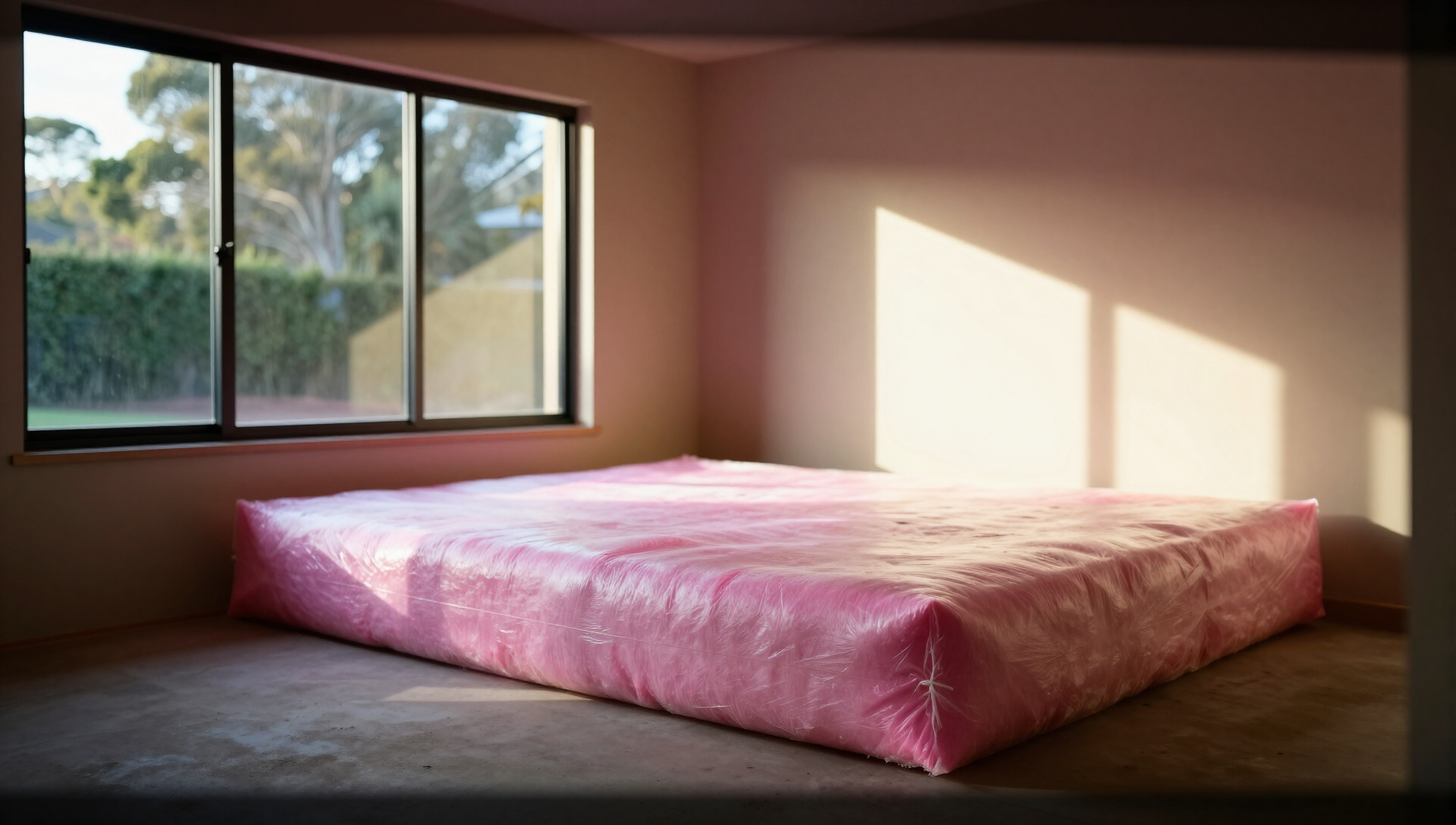
Clifton Hill’s mix of weatherboard terraces and interwar homes often lacks adequate insulation, leading to cold winters and overheated summers. Bulk insulation addresses these issues directly.
Bulk insulation reduces the flow of heat through ceilings, walls and floors, so your heater and air conditioner run less often. In Clifton Hill’s climate, this can mean noticeable savings on energy bills.
By slowing heat transfer, bulk batts keep warmth inside during winter and block summer heat gain through the roof and walls. This evens out temperature swings common in older homes.
Properly installed bulk insulation seals gaps between batts and around joists, cutting draughts that enter through ceilings and floors. This improves comfort in draughty weatherboard homes.
Dense bulk materials absorb sound, reducing noise transfer between rooms and from outside. This is useful in Clifton Hill’s closely built terraces and semi-detached homes.
Quality batts retain their thickness and R-value for decades if kept dry. Unlike reflective foil, bulk insulation does not rely on an air gap to work effectively.
Bulk insulation fits between standard stud, joist and rafter spacings, making it a practical choice for Clifton Hill’s older homes as well as newer builds.
Installing bulk insulation in Clifton Hill typically takes half a day to a full day, depending on access and the area to be covered. Here is what the job involves.
We check the roof space for existing insulation, wiring, downlights and any signs of moisture or pest damage. Old compressed batts are removed if they are no longer effective, and ceiling dust is vacuumed out before new batts go in.
Batts are cut to fit snugly between ceiling joists, wall studs or floor joists without compressing. We leave the required clearances around downlights, flues and electrical cables to meet safety standards.
In ceilings, batts are laid perpendicular to joists to cover the entire area. For wall insulation, batts are fitted into open stud frames during renovations or extensions. Underfloor batts are secured between floor joists from the subfloor.
We ensure all gaps are filled, batts are not compressed and no material is left exposed. The roof space and work areas are left clean, with all offcuts and packaging removed.
Clifton Hill’s weatherboard and brick homes often have uninsulated roof spaces and thin or missing wall insulation. This leads to rapid heat loss in winter and overheating in summer. Bulk insulation is the most effective way to improve thermal resistance in these properties, with ceiling batts providing the biggest impact on comfort and energy use.
Expert Insulation Melbourne installs bulk insulation in Clifton Hill to reduce heat loss and summer heat gain.
Homeowners in Clifton Hill often ask about the best R-value, whether existing batts need replacing and how long installation takes. Here are the answers.
Bulk insulation in Clifton Hill slows heat transfer through ceilings, walls and floors using materials like glasswool, polyester and rockwool. These batts trap still air, providing thermal resistance measured by R-value. In Clifton Hill’s older homes, ceiling insulation is the priority, as up to 35% of winter heat loss escapes through the roof space.
For ceilings, R4.0 to R6.0 batts are commonly installed, while walls typically use R2.0 to R2.7. Underfloor insulation in suspended timber floors usually ranges from R1.5 to R2.5. The right R-value depends on your budget, climate exposure and whether you are topping up existing batts or starting fresh.
Costs vary based on roof pitch, access, floor area, existing insulation and the chosen R-value. Steep or difficult-to-access roof spaces take longer to insulate, while removing old batts or ceiling dust adds to the time on site. A typical Clifton Hill home can often be fully insulated in a day, with immediate improvements in comfort and energy efficiency.
Call Expert Insulation Melbourne on 0399695249 or email info@expertinsulationmelbourne. com. au to discuss bulk insulation for your Clifton Hill home.