
Reduces winter heat loss
Uninsulated brick walls allow up to 35% of a home’s heat to escape in winter. Cavity insulation traps still air in the wall gap, slowing heat transfer and keeping indoor temperatures steadier.
Clifton Hill
Cavity wall insulation for brick veneer and double brick homes in Clifton Hill. We inject bulk insulation into wall cavities through small holes, then patch and finish to restore the wall surface. Suitable homes are checked on inspection for moisture and wall type before work begins.
Share your details and Expert Insulation Melbourne will contact you about Cavity Wall Insulation in Clifton Hill.
Cavity wall insulation fills the gap between the inner and outer leaves of brick veneer or double brick walls with bulk insulation material. In Clifton Hill, this is done by drilling small access holes in the mortar, injecting glasswool or rockwool fibres, then sealing the holes to match the existing wall. It is a non-invasive way to improve thermal resistance in older brick homes without removing internal linings.
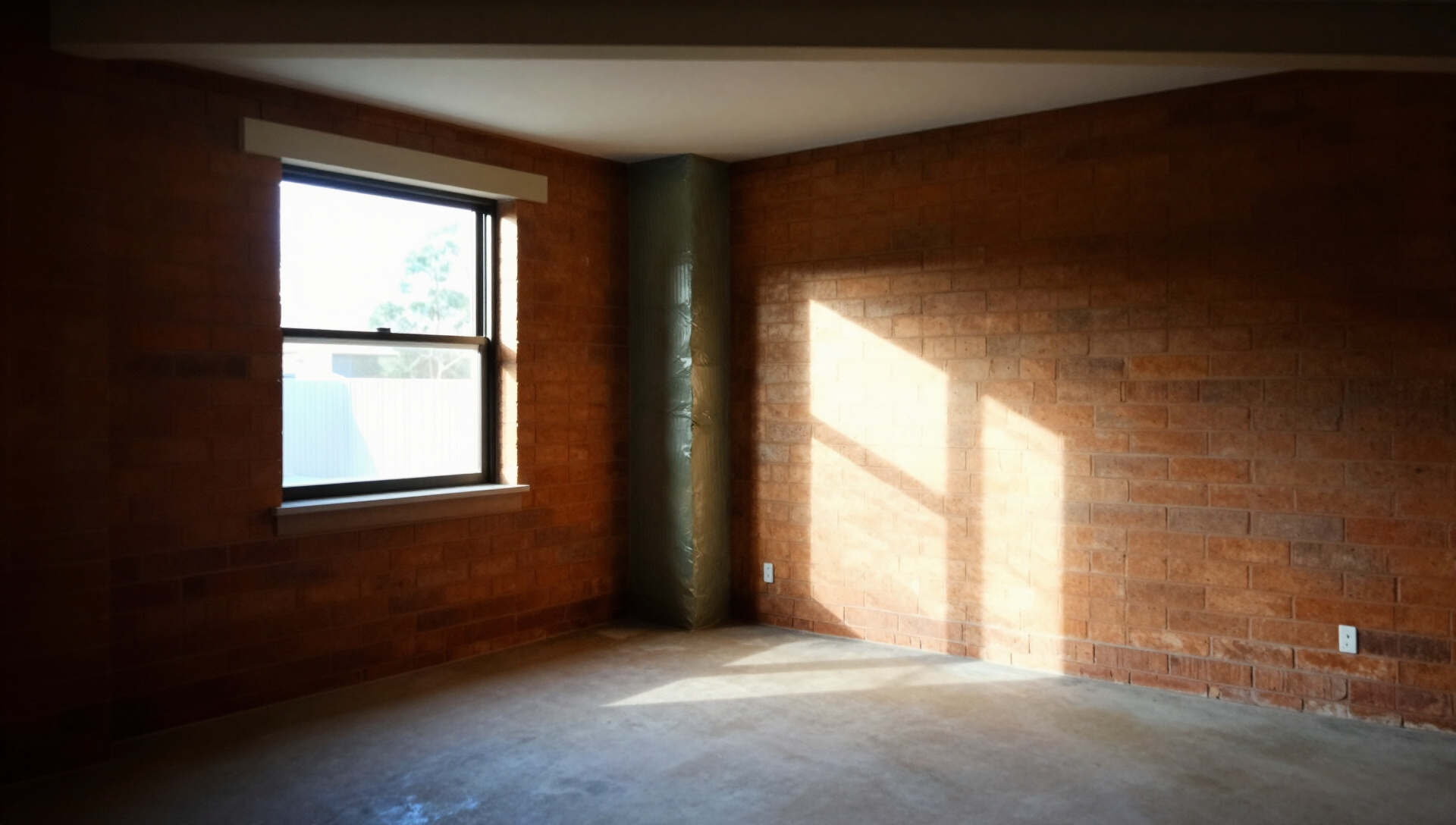
Clifton Hill’s mix of older brick veneer and double brick homes often lack insulation in the wall cavity. This leaves them exposed to Melbourne’s cold winters and hot summers, with heat escaping through uninsulated walls and draughts. Cavity wall insulation addresses this by adding a thermal barrier within the wall structure.
Uninsulated brick walls allow up to 35% of a home’s heat to escape in winter. Cavity insulation traps still air in the wall gap, slowing heat transfer and keeping indoor temperatures steadier.
During Melbourne’s hot summers, external brick absorbs heat that radiates inward. Insulation in the cavity reflects and absorbs this heat before it enters the living space, reducing reliance on cooling systems.
By stabilising indoor temperatures, cavity wall insulation reduces the peaks and troughs caused by Melbourne’s temperature swings, making homes more comfortable without constant heating or cooling.
The process requires only small, external access points that are sealed after installation. There is no need to remove internal wall linings, plaster or paint, keeping disruption and mess to a minimum.
Ideal for older brick veneer and double brick homes common in Clifton Hill, where retrofitting internal wall insulation would be impractical or costly.
Less heat loss in winter and less heat gain in summer mean heating and cooling systems run less often, lowering energy bills over time.
Our cavity wall insulation process is tailored to Clifton Hill’s brick homes. We start with a thorough inspection to confirm the wall type and condition, then proceed with minimal disruption to your home.
We check the wall type, cavity width and moisture levels to confirm suitability. Brick veneer and double brick walls are typically suitable, while weatherboard or solid brick walls are not. If old insulation is present and may contain asbestos, work stops until a qualified assessor inspects it.
Small holes are drilled in the mortar joints at regular intervals around the home’s exterior. These provide access to inject insulation into the cavity without damaging the bricks.
Using specialised equipment, we inject loose glasswool or rockwool fibres into the cavity through the access holes. The material fills the gap evenly, creating a continuous thermal barrier.
Once the cavity is filled, the access holes are sealed with matching mortar to restore the wall’s appearance. Any excess material is cleaned from the site, leaving no visible trace of the work.
Clifton Hill’s inner-city location and mix of older brick homes make cavity wall insulation a practical upgrade. Many properties here were built before wall insulation was standard, leaving them vulnerable to heat loss and gain through uninsulated brick walls. The area’s proximity to the CBD and exposure to Melbourne’s variable climate mean homes here benefit significantly from improved thermal resistance. Nearby suburbs like Fitzroy and Collingwood share similar housing stock, making cavity wall insulation a common solution for the wider area.
Improve thermal comfort in Clifton Hill’s brick homes with cavity wall insulation.
Homeowners in Clifton Hill often have questions about how cavity wall insulation works, whether their home is suitable and what to expect from the process. Below are answers to the most common queries.
Cavity wall insulation is a cost-effective way to improve the thermal performance of brick veneer and double brick homes in Clifton Hill. By filling the gap between the inner and outer wall leaves with bulk insulation, it reduces heat transfer through the walls, which is a major source of energy loss in uninsulated homes. This is particularly valuable in Clifton Hill, where older brick homes often lack any wall insulation, leaving them exposed to Melbourne’s cold winters and hot summers.
The process involves drilling small holes in the external mortar, injecting glasswool or rockwool fibres into the cavity, then sealing the holes to match the existing wall. This method is non-invasive and does not require internal wall linings to be removed, making it ideal for retrofitting in established homes. Suitability is confirmed during an on-site inspection, which checks for wall type, cavity width and moisture levels. If the existing wall contains old insulation that may include asbestos, work stops until a qualified assessor inspects it.
For Clifton Hill homeowners, cavity wall insulation offers a practical solution to reduce heating and cooling costs while improving year-round comfort. It addresses the specific thermal weaknesses of brick construction, which can account for a significant portion of a home’s heat loss in winter and heat gain in summer. Combined with ceiling and underfloor insulation, it provides a comprehensive approach to energy efficiency in Melbourne’s climate.
Improve your home’s thermal performance with cavity wall insulation. Contact Expert Insulation Melbourne to arrange an inspection in Clifton Hill.