
Better insulation performance
Dust acts as an insulator itself but compresses batts and blocks air pockets. Removing it lets new ceiling insulation work at its rated R-value, cutting winter heat loss through the roof space.
Clifton Hill Roof Space Cleaning
Built-up dust in your roof space reduces insulation performance and air quality. We extract dust and debris from Clifton Hill homes before new ceiling insulation goes in.
Share your details and Expert Insulation Melbourne will contact you about Ceiling Dust Removal in Clifton Hill.
Ceiling dust removal clears years of accumulated dust, loose material and debris from the roof space. In Clifton Hill’s older weatherboard and brick homes, this step is essential before topping up or replacing ceiling insulation. It improves thermal performance, reduces allergens and prevents dust from settling on new batts.
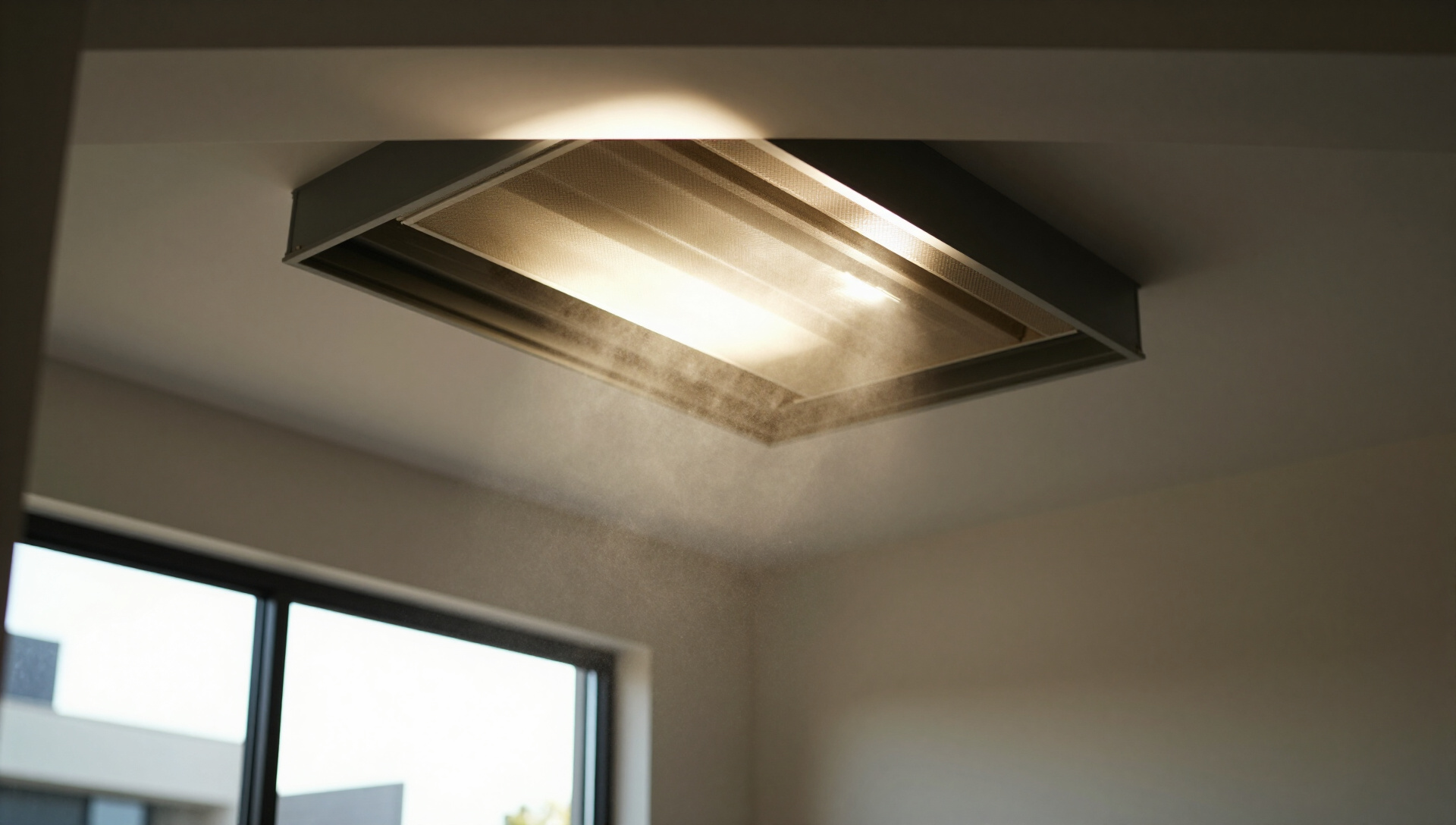
Clifton Hill’s mix of Victorian terraces and interwar homes often have decades of dust trapped above the ceiling. Removing it delivers immediate and long-term benefits for comfort and health.
Dust acts as an insulator itself but compresses batts and blocks air pockets. Removing it lets new ceiling insulation work at its rated R-value, cutting winter heat loss through the roof space.
Fine dust from the roof space finds its way into rooms through gaps around downlights and cornices. Extraction reduces airborne particles that trigger allergies and asthma.
A clean roof space means clearer visibility and less risk of stirring up dust during insulation work. This is especially important in Clifton Hill homes with low roof pitches and tight access.
Dust and moisture accelerate the breakdown of glasswool and polyester batts. Starting with a clean roof space extends the life of your ceiling insulation investment.
Old dust can dislodge when new batts are laid, raining down through ceiling cracks. Extraction stops this mess and the need for post-install cleaning.
While clearing dust, we often spot compressed batts, rodent damage or moisture stains that need addressing before new insulation is fitted.
We use industrial-grade vacuums and careful handling to extract dust without spreading it through your home. The process is quick, typically completed in a few hours depending on roof space size and dust volume.
We check the roof space for access points, existing insulation condition and any signs of asbestos. If asbestos is suspected, work stops until a qualified assessor inspects it.
Entry points are sealed with temporary barriers to prevent dust from escaping into living areas. Vacuum hoses are run from the roof space to outside collection units.
Using high-powered vacuums, we systematically remove dust from all areas of the roof space, including around rafters, ceiling joists and any stored items. Loose material and rodent droppings are also cleared.
We verify the space is clean and ready for new insulation. Any disturbed dust inside the home is vacuumed, and entry points are left as we found them.
Clifton Hill’s proximity to the city and older housing stock mean many roof spaces have never been cleaned. Whether you live near Merri Creek or closer to Northcote, dust buildup is common in both weatherboard and brick homes. Removing it is a practical step before upgrading ceiling insulation to suit Melbourne’s cold winters and hot summers.
Industrial vacuum extraction of dust and debris from roof spaces in Clifton Hill before new ceiling insulation is installed.
Homeowners in Clifton Hill often ask about the need for dust removal, how it affects insulation and what to expect during the process.
Ceiling dust removal in Clifton Hill is a critical first step before installing or topping up ceiling insulation. Over time, dust accumulates in the roof space from air movement, old insulation breakdown and external sources. This dust reduces the effectiveness of bulk insulation like glasswool or polyester batts by compressing them and blocking the still air pockets that provide thermal resistance. In Clifton Hill’s older homes, where roof spaces are often undisturbed for decades, extraction ensures new batts perform at their intended R-value, typically R4.0 to R6.0 for ceilings.
The process involves industrial vacuum extraction through the manhole or other access points, with containment measures to prevent dust from entering living areas. It is particularly important in homes with existing thin or compressed batts, as dust can dislodge during removal and settle on new insulation. For Clifton Hill properties near busy roads or industrial areas, dust levels can be higher, making extraction even more valuable. The job also provides an opportunity to inspect the roof space for moisture, rodent damage or structural issues that could affect insulation performance.
After dust removal, the roof space is ready for new ceiling insulation. This combination delivers the best thermal performance, reducing winter heat loss and summer heat gain through the roof. It also improves indoor air quality by removing a major source of dust that can migrate into living spaces through ceiling gaps. For Clifton Hill homeowners planning an insulation upgrade, dust extraction is a small upfront step that pays off in comfort, energy savings and the longevity of the new batts.
Clear dust from your roof space before new insulation. Call Expert Insulation Melbourne on 0399695249 or email info@expertinsulationmelbourne. com. au for a quote.