
Cooler homes in summer
By reflecting radiant heat at the roof, sisalation reduces the temperature in your roof space. This means your ceiling insulation and home stay cooler, cutting the workload on cooling systems and lowering energy costs.
Reflective Foil Insulation
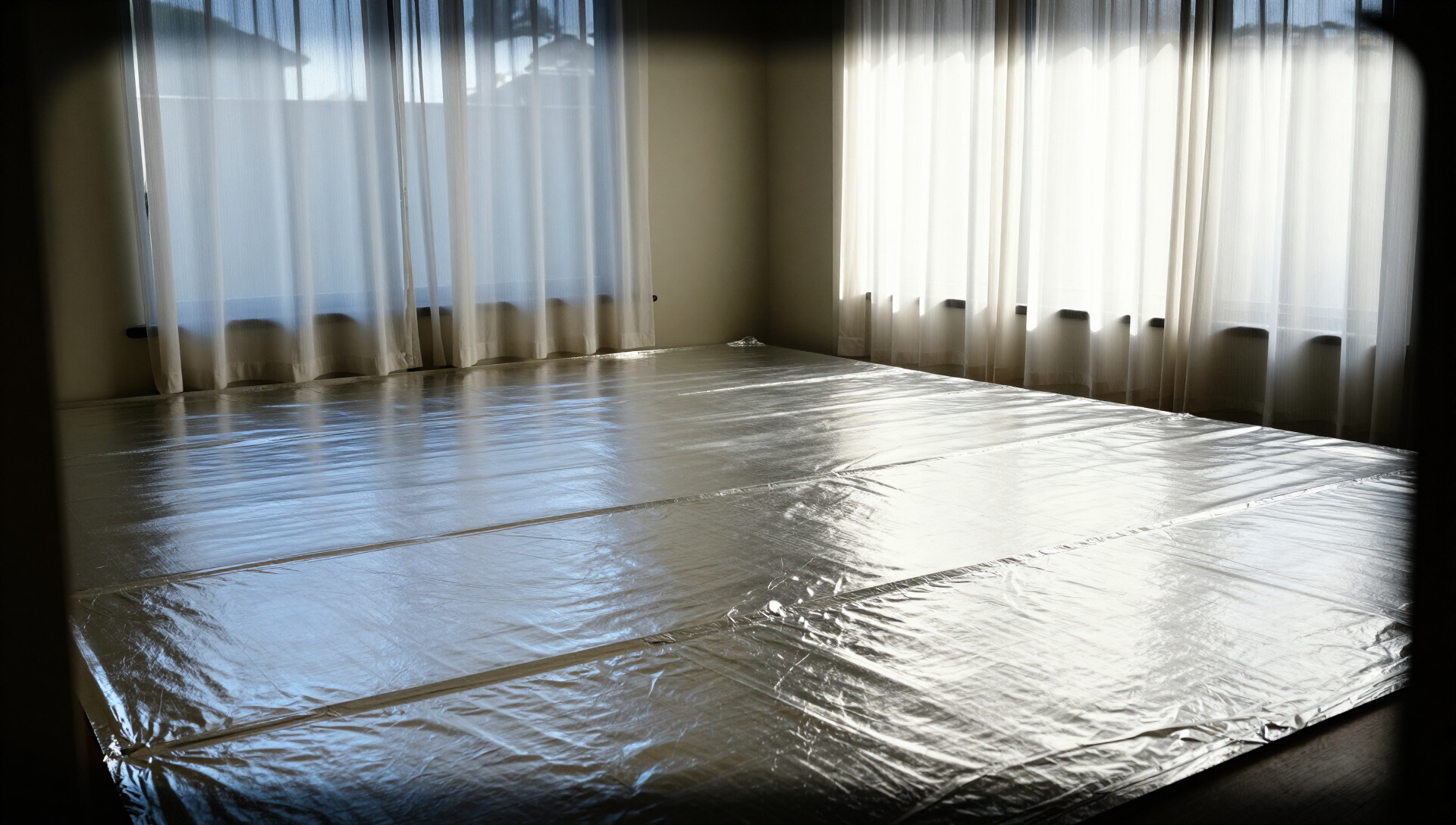
Sisalation is a reflective foil laminate installed under roofing or behind wall cladding in Clifton Hill. It reflects radiant heat away from your home, reducing summer heat gain through the roof and helping manage moisture and dust in the roof space.
Share your details and Expert Insulation Melbourne will contact you about Sisalation Insulation in Clifton Hill.
Sisalation is a foil-faced laminate that acts as a radiant barrier, reflecting up to 97% of radiant heat. In Clifton Hill’s older weatherboard and brick homes, it is typically installed under the roofing material with an air gap to block heat transfer into the roof space. It also helps control condensation by reducing temperature differentials that cause moisture buildup on sarking and rafters.
Clifton Hill experiences hot dry summers with northerly winds that push heat through uninsulated roofs. Sisalation addresses this by reflecting radiant heat before it enters the roof space, keeping living areas cooler without relying solely on air conditioning.
By reflecting radiant heat at the roof, sisalation reduces the temperature in your roof space. This means your ceiling insulation and home stay cooler, cutting the workload on cooling systems and lowering energy costs.
The foil surface minimises condensation on sarking and rafters, which can lead to mould and timber damage. It also reduces dust accumulation in the roof space, improving air quality when combined with ceiling dust removal.
Sisalation complements bulk insulation like glasswool or polyester batts in the ceiling. The reflective layer handles radiant heat, while the bulk material traps conducted heat, delivering better overall thermal performance.
Foil laminates do not compress or degrade over time like some bulk materials. Once installed with the correct air gap, they maintain their reflective properties for the life of the roof.
In homes with exposed rafters or cathedral ceilings, sisalation can be installed directly under the roofing to provide a thermal barrier without the need for a traditional ceiling insulation layer.
With less radiant heat entering the home, your heating and cooling systems run less often. This extends their lifespan and reduces energy bills, especially during Melbourne’s heatwaves.
Installing sisalation requires access to the roof space and careful placement to ensure the foil faces an air gap. The process is typically completed in one day for an average home, with minimal disruption.
We check the roof space for existing insulation, electrical cables, downlights and any signs of moisture or asbestos. If old batts may contain asbestos, work stops until a qualified assessor inspects them.
The roofing material is temporarily lifted or accessed from the roof space to install the sisalation. We ensure there is a clear air gap between the foil and the roofing to maximise reflectivity.
The foil laminate is laid under the roofing, overlapping joins and sealing edges with foil tape. It is fixed to rafters or battens, ensuring it remains taut and free from tears or punctures.
Once the sisalation is in place, the roofing is secured back into position. We then inspect the installation to confirm the air gap is maintained and the foil is properly sealed at all edges.
Clifton Hill’s mix of Victorian and Edwardian weatherboards and interwar brick homes often have uninsulated roof spaces that absorb heat. Sisalation is an effective upgrade for these properties, reflecting radiant heat before it penetrates the ceiling. Nearby areas like Fitzroy North and Northcote also benefit from this solution in similar housing stock.
Reflective foil insulation installed under roofing to reduce summer heat gain in Clifton Hill homes.
Homeowners in Clifton Hill often ask how sisalation compares to other insulation types and whether it can be added to an existing roof. Here are the key details.
Sisalation insulation in Clifton Hill provides a reflective barrier that reduces radiant heat transfer through the roof. This is particularly valuable in Melbourne’s climate, where hot northerly winds can push temperatures in uninsulated roof spaces well above outdoor levels. By installing foil laminate under the roofing, homeowners can cut heat gain and lower cooling costs.
The installation process involves accessing the roof space, laying the foil with an air gap and sealing all edges. It works alongside bulk ceiling insulation, which traps conducted heat. In Clifton Hill’s older homes, this combination addresses both radiant and conducted heat, improving year-round comfort.
Sisalation also helps manage condensation by reducing temperature differences that cause moisture to form on sarking and rafters. This protects the roof structure and improves indoor air quality. For homes with raked or cathedral ceilings, it can be installed directly under the roofing to provide thermal resistance without a traditional ceiling layer.
Reduce summer heat gain and manage moisture in your Clifton Hill home with sisalation insulation. Call Expert Insulation Melbourne on 0399695249 or email info@expertinsulationmelbourne. com. au to discuss your roof space.