
Warmer floors in winter
Bulk batts between joists block cold air rising from the subfloor, so floorboards stay noticeably warmer underfoot. This is especially valuable in older Clifton Hill homes where draughts are common.
Clifton Hill
Underfloor insulation stops cold air rising through suspended timber floors in Clifton Hill homes. We install bulk batts between floor joists in the subfloor to cut draughts, warm your floors and reduce heating costs.
Share your details and Expert Insulation Melbourne will contact you about Underfloor Insulation in Clifton Hill.
Clifton Hill has many older weatherboard and brick homes with suspended timber floors that sit above a ventilated subfloor. Without insulation, cold air rises through gaps in the floorboards and around skirting, making rooms feel chilly and forcing heaters to work harder. Underfloor insulation fills the space between floor joists with bulk batts to block draughts and add thermal resistance. Typical R-values for underfloor range from R1.
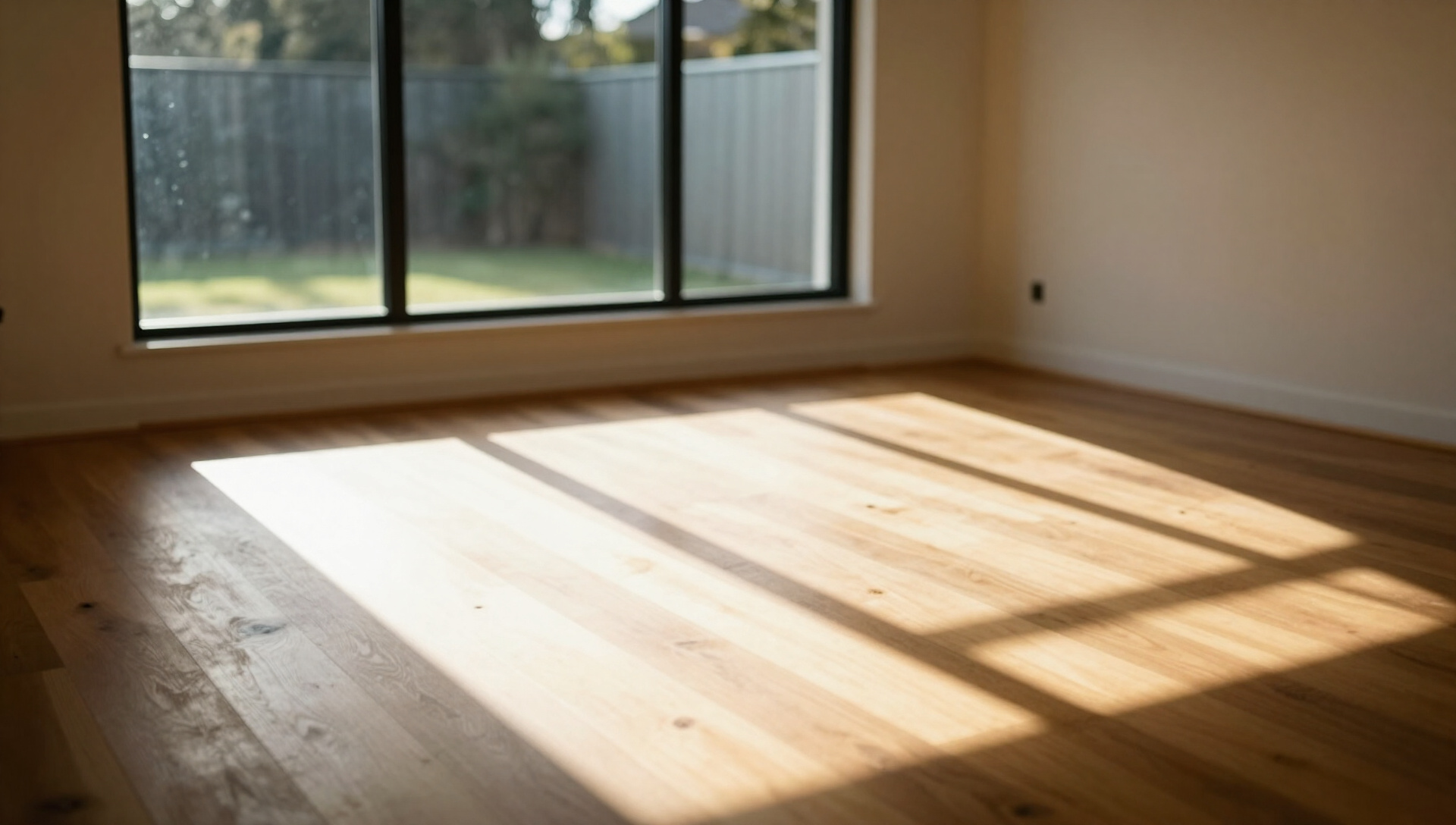
Clifton Hill’s mix of weatherboard cottages and interwar homes often have uninsulated suspended floors. In winter, cold air from the subfloor rises into living spaces, making floors icy and increasing heating demand. In summer, the same gaps let cool air escape. Installing underfloor batts addresses these issues directly.
Bulk batts between joists block cold air rising from the subfloor, so floorboards stay noticeably warmer underfoot. This is especially valuable in older Clifton Hill homes where draughts are common.
By reducing heat loss through the floor, your heater runs less often to maintain the same temperature. Homeowners typically see a reduction in winter energy bills after installation.
Insulation seals the gaps that let cold air and dust enter from the subfloor. This improves indoor air quality and eliminates the chill that comes up through floorboards.
Underfloor insulation helps maintain a more even temperature throughout the home. Rooms stay warmer for longer, and you avoid the cold spots that form near external walls and floors.
Installation is done from the subfloor via access panels or from outside, so there is no need to remove floor coverings or disrupt your home’s interior.
Suspended timber floors in Clifton Hill are ideal for retrofitting underfloor batts. As long as there is sufficient crawl space, we can install insulation without altering the floor structure.
We begin with a quick inspection of your subfloor to check access, joist spacing and the condition of existing materials. This determines the right batts and R-value for your home.
We access the subfloor through existing hatches or by lifting a section of skirting to measure joist spacing and clearances. This ensures we select batts that fit snugly without compression.
For Clifton Hill homes, we typically use glasswool or polyester batts with an R-value between R1.5 and R2.5. The choice depends on your budget, joist depth and how much thermal resistance you need.
Batts are cut to size and friction-fitted between the floor joists, ensuring full coverage with no gaps. We work systematically across the subfloor to maintain consistent thermal performance.
After installation, we check for any remaining gaps around pipes or cables and seal them to prevent air leakage. Access points are secured, and the area is left clean.
Clifton Hill’s older homes often have suspended timber floors that sit above a ventilated subfloor. Without insulation, these floors allow cold air to rise into living spaces, making rooms feel chilly and increasing heating costs. Underfloor insulation is a straightforward upgrade that blocks draughts, warms floor surfaces and improves comfort year-round. Many homes in nearby Fitzroy North and Northcote share the same construction, making underfloor batts a practical solution for the area.
Stop cold floors and draughts with underfloor insulation installed under suspended timber floors in Clifton Hill.
Homeowners in Clifton Hill often ask about the practicalities of underfloor insulation, from access and cost factors to the best R-values for their homes.
Underfloor insulation in Clifton Hill targets the cold draughts that rise through suspended timber floors in older homes. By installing bulk batts between floor joists in the subfloor, we block cold air and add thermal resistance to keep floorboards warmer. This is especially effective in weatherboard and interwar homes common in the area, where uninsulated floors are a major source of heat loss.
The process begins with a subfloor inspection to check access, joist spacing and clearances. We then install glasswool or polyester batts with an R-value typically between R1.5 and R2.5, depending on the depth of the joists and your comfort needs. Installation is done from the subfloor, so there is no need to remove floor coverings or disrupt your home.
Signs your Clifton Hill home needs underfloor insulation include icy cold floors in winter, noticeable draughts coming up through floorboards and higher than expected heating bills. If your home has a suspended timber floor with a ventilated subfloor, underfloor batts can provide a cost-effective way to improve comfort and reduce energy use.
Stop cold floors and draughts in your Clifton Hill home with underfloor insulation. We install bulk batts under suspended timber floors to warm your floors and cut heating costs.