Clifton Hill

Wall Insulation in Clifton Hill

Wall insulation fitted into stud frames and cavities in Clifton Hill homes to stop winter heat loss and summer heat gain through external walls.

Book Wall Insulation

Share your details and Expert Insulation Melbourne will contact you about Wall Insulation in Clifton Hill.

Wall Insulation for Clifton Hill Homes

Clifton Hill’s mix of older weatherboard and newer brick veneer homes often lack effective wall insulation, leading to cold draughts in winter and overheating in summer. Wall insulation fills the gap between studs or inside cavities with bulk batts to trap still air and improve thermal resistance. This is most practical during renovations, extensions or new builds when wall linings are open, but cavity wall insulation can also be retrofitted in suitable brick walls through small access holes.

  • Bulk batts for open stud frames
  • Cavity wall insulation for brick veneer
  • Acoustic batts for internal walls
  • Typical R2.0 to R2.7 for external walls
Wall Insulation in Clifton Hill

Why Wall Insulation Matters in Clifton Hill

Clifton Hill’s climate swings from cold, damp winters to hot, dry summers, making uninsulated walls a major source of heat loss and gain. Proper wall insulation stabilises indoor temperatures, reduces reliance on heating and cooling, and improves comfort year-round.

Lower heating and cooling costs

Insulated walls reduce the amount of heat escaping in winter and entering in summer, cutting the workload on heaters and air conditioners. This directly lowers energy bills, especially in older homes with poor thermal performance.

More consistent indoor temperatures

Bulk batts in stud frames or cavity fill create a thermal barrier that slows heat transfer. Rooms stay warmer in winter and cooler in summer without the extremes caused by uninsulated walls.

Reduced draughts and air leakage

Wall insulation seals gaps between framing and linings, minimising cold draughts through weatherboard walls and air leakage in brick veneer. This improves comfort and prevents moisture issues from condensation.

Better acoustic performance

Acoustic batts fitted in internal walls dampen sound transfer between rooms, reducing noise from adjacent living spaces, bedrooms or home offices. This is ideal for terraces and semi-detached homes in Clifton Hill.

Increased property value

Homes with wall insulation are more energy-efficient and comfortable, which can be a selling point for buyers in Clifton Hill. It also future-proofs the property against rising energy costs.

Moisture and condensation control

Properly installed wall insulation helps manage moisture by reducing temperature differences that cause condensation inside walls. This protects the structure and prevents mould growth.

How Wall Insulation Is Installed in Clifton Hill

The process depends on whether the walls are open during construction or renovation, or if cavity wall insulation is being retrofitted. Each method requires careful preparation to ensure full coverage and avoid gaps or compression.

1

Inspection and preparation

We check the wall type, framing, existing insulation and access points. For open stud frames, we confirm the stud spacing and depth to select the right batts. For cavity walls, we assess suitability and plan access holes.

2

Selecting the right product

Glasswool, polyester or rockwool batts are chosen based on R-value needs, acoustic requirements and moisture resistance. Typical external wall R-values range from R2.0 to R2.7, depending on the wall thickness and climate demands.

3

Installation in open stud frames

Batts are cut to fit snugly between studs without gaps or compression, which would reduce thermal performance. We ensure no cables or pipes are covered and that the batts are held in place by friction or staples before linings go up.

4

Cavity wall insulation retrofit

Small holes are drilled in the mortar between bricks, and loose-fill or injectable insulation is blown into the cavity. The holes are then patched to match the existing brickwork. This method is only suitable for certain wall types and requires a professional assessment.

Wall Insulation for Clifton Hill Properties

Clifton Hill’s housing stock includes Victorian and Edwardian weatherboards, interwar bungalows and more recent brick veneer homes. Weatherboard walls often have no insulation, while brick veneer may have uninsulated cavities. Wall insulation is most cost-effective when installed during renovations or when wall linings are removed, but cavity fill can also be retrofitted in suitable homes.

Clifton Hill Wall Insulation

Improve thermal comfort and reduce energy costs with wall insulation in Clifton Hill.

Clifton Hill, 3068, VIC
0399695249

Wall Insulation FAQs for Clifton Hill

Common questions about wall insulation in Clifton Hill homes, including costs, suitability and installation methods.

How much does wall insulation cost in Clifton Hill? ▼
Our wall insulation services in Clifton Hill start at competitive rates. Contact us for a free quote tailored to your specific needs.
How long does wall insulation take in Clifton Hill? ▼
Service time varies based on the scope of work. Most wall insulation projects in Clifton Hill are completed within a few hours.
Do you offer urgent wall insulation in Clifton Hill? ▼
Ask us about the next available appointment for urgent wall insulation needs in Clifton Hill and the surrounding areas.
What happens during a wall insulation visit in Clifton Hill? ▼
We review the issue, explain suitable service options, and complete the agreed wall insulation work for your Clifton Hill property.
Can you help prevent recurring wall insulation problems in Clifton Hill? ▼
Yes. We can share practical prevention advice based on your property, the current issue, and local conditions in Clifton Hill.

Expert Wall Insulation Services in Clifton Hill

Wall insulation in Clifton Hill addresses the thermal weaknesses of older weatherboard and brick veneer homes. Without insulation, external walls allow rapid heat transfer, leading to cold interiors in winter and overheating in summer. Bulk batts fitted between studs or cavity fill in brick walls create a thermal barrier that slows this transfer, improving comfort and reducing energy use.

For homes in Clifton Hill, wall insulation is most practical during renovations or extensions when wall linings are open. This allows installers to fit batts snugly between studs without gaps. Cavity wall insulation can also be retrofitted in suitable brick veneer homes, where insulation is injected into the cavity through small access holes. Both methods require a professional assessment to ensure suitability and performance.

The choice of insulation material depends on the wall type, R-value requirements and acoustic needs. Glasswool, polyester and rockwool batts are common for open stud frames, while loose-fill or injectable materials are used for cavity walls. Typical R-values for external walls in Melbourne range from R2.0 to R2.7, balancing thermal performance with wall thickness and cost.

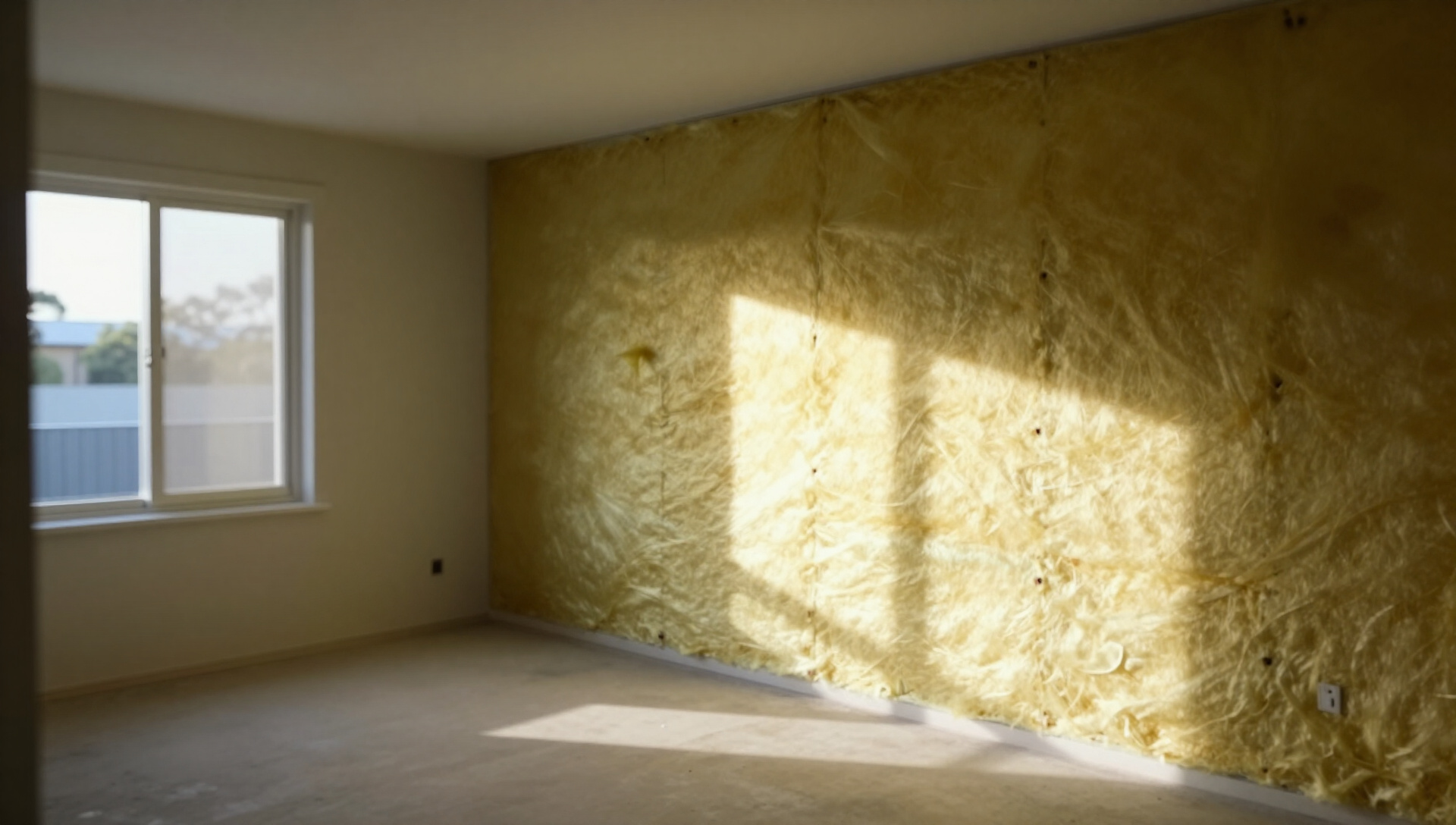
Get Wall Insulation in Clifton Hill

Improve your home’s thermal performance with wall insulation installed by Expert Insulation Melbourne. We service Clifton Hill and surrounding suburbs with quality products and professional workmanship.